

Moringa and turmeric together combine two of the most studied plants in nutrition science: a leaf exceptionally high in vitamin C, potassium, and protein, paired with a root known for curcumin, a compound with measurable anti-inflammatory and antioxidant effects. Research on each plant individually shows benefits for inflammation, blood sugar, cholesterol, and joint pain, and taking them together is considered safe for most healthy adults when dosage guidelines are followed. Adding black pepper to the combination can meaningfully increase how much curcumin the body actually absorbs.
This guide covers what moringa and turmeric each do on their own, what changes when you combine them, how moringa and turmeric tea is made, dosage and safety information, and where the menopause claims made about this combination hold up against the evidence.
What Is Moringa?
Moringa oleifera is a fast-growing tree native to South Asia, where its leaves have been used in traditional medicine for centuries. In the Philippines, the plant is commonly known as malunggay, which is why searches for malunggay and turmeric benefits point to the same combination discussed throughout this article.
Gram for gram, moringa leaf powder is frequently cited as containing roughly the vitamin C of seven oranges and a potassium content comparable to fifteen bananas, alongside iron, calcium, protein, and amino acids that support muscle repair. This nutrient density is the main reason moringa benefits show up across such a wide range of health claims, from skin and hair support to immune function.
What Is Turmeric?
Turmeric is a bright yellow root in the ginger family, used for thousands of years in South Asian cooking and Ayurvedic medicine. Its primary active compound, curcumin, is responsible for most of the anti-inflammatory and antioxidant activity researchers have documented. Curcumin makes up only a small percentage of raw turmeric by weight, and it is poorly absorbed on its own, a limitation that matters when comparing turmeric alone to turmeric taken alongside other compounds. Pairing moringa with turmeric is one way people work around that absorption limitation, since moringa contributes compounds that do not depend on the same digestive pathway curcumin does.

Moringa and Turmeric Benefits: What the Research Shows
Each plant carries an independent evidence base, and combining turmeric and moringa is thought to work because their mechanisms overlap rather than duplicate each other. Whether the search is phrased as turmeric and moringa benefits, turmeric moringa benefits, or moringa and turmeric combination benefits, the underlying question is the same: what changes when the two are used together instead of separately. Below is what the research supports for each area.
Reduced Inflammation
Chronic inflammation is linked to arthritis, heart disease, and several other long-term conditions. Curcumin has been studied in more than twenty clinical trials for arthritis alone, and in a six-week trial comparing 2 grams of turmeric daily to 800 mg of ibuprofen, both groups saw improved pain and knee function, with the turmeric group reporting greater improvement in stair-climbing pain specifically. Moringa contributes its own anti-inflammatory compounds, including isothiocyanates, which work through a different biological pathway than curcumin.
Antioxidant Protection
Both plants are rich in compounds that neutralize free radicals, the unstable molecules linked to cellular aging and chronic disease risk. Moringa supplies vitamin C, beta-carotene, and quercetin, while turmeric contributes curcumin's own antioxidant activity. Combining the two increases the range of antioxidant compounds a person consumes in a single serving, rather than relying on one plant's specific profile.
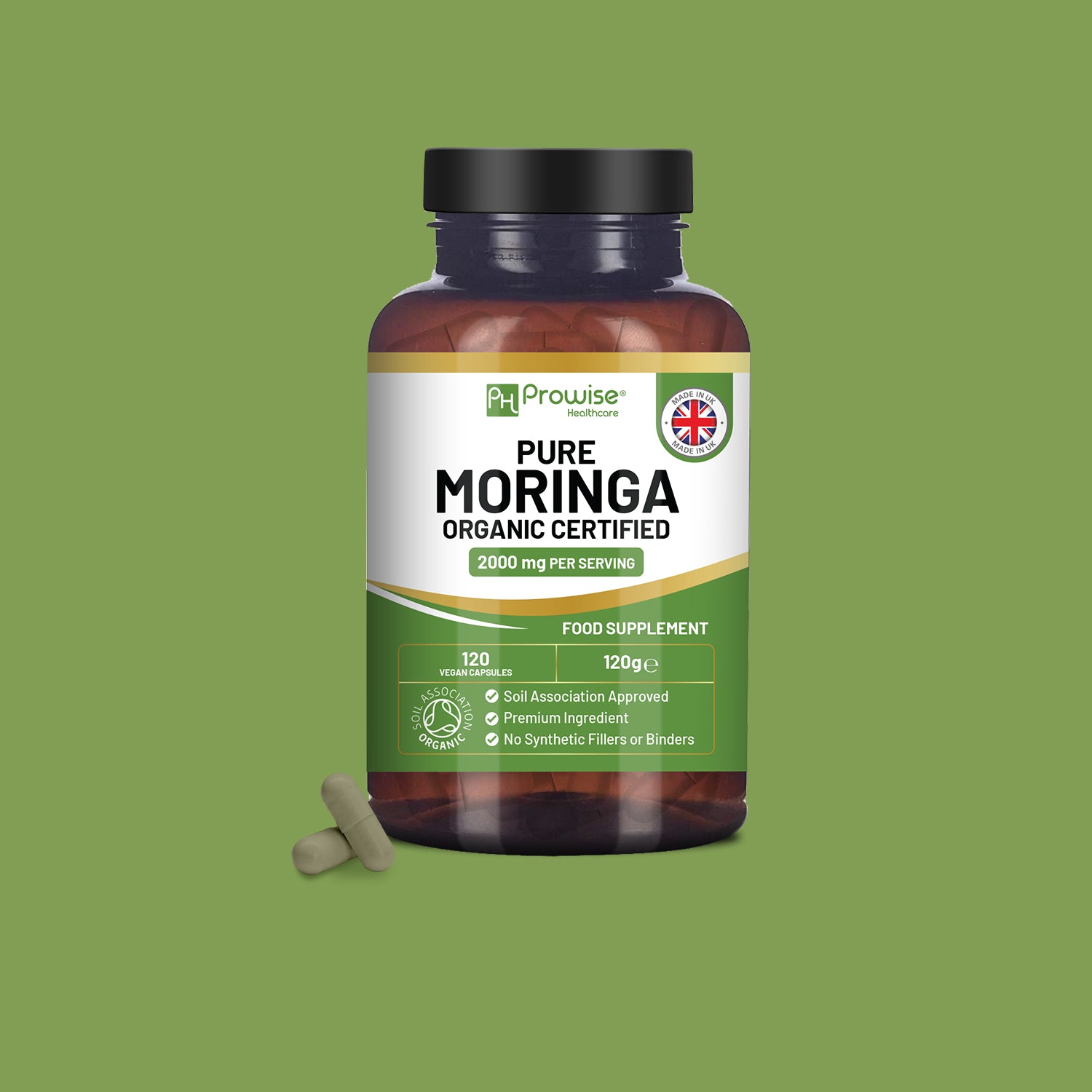
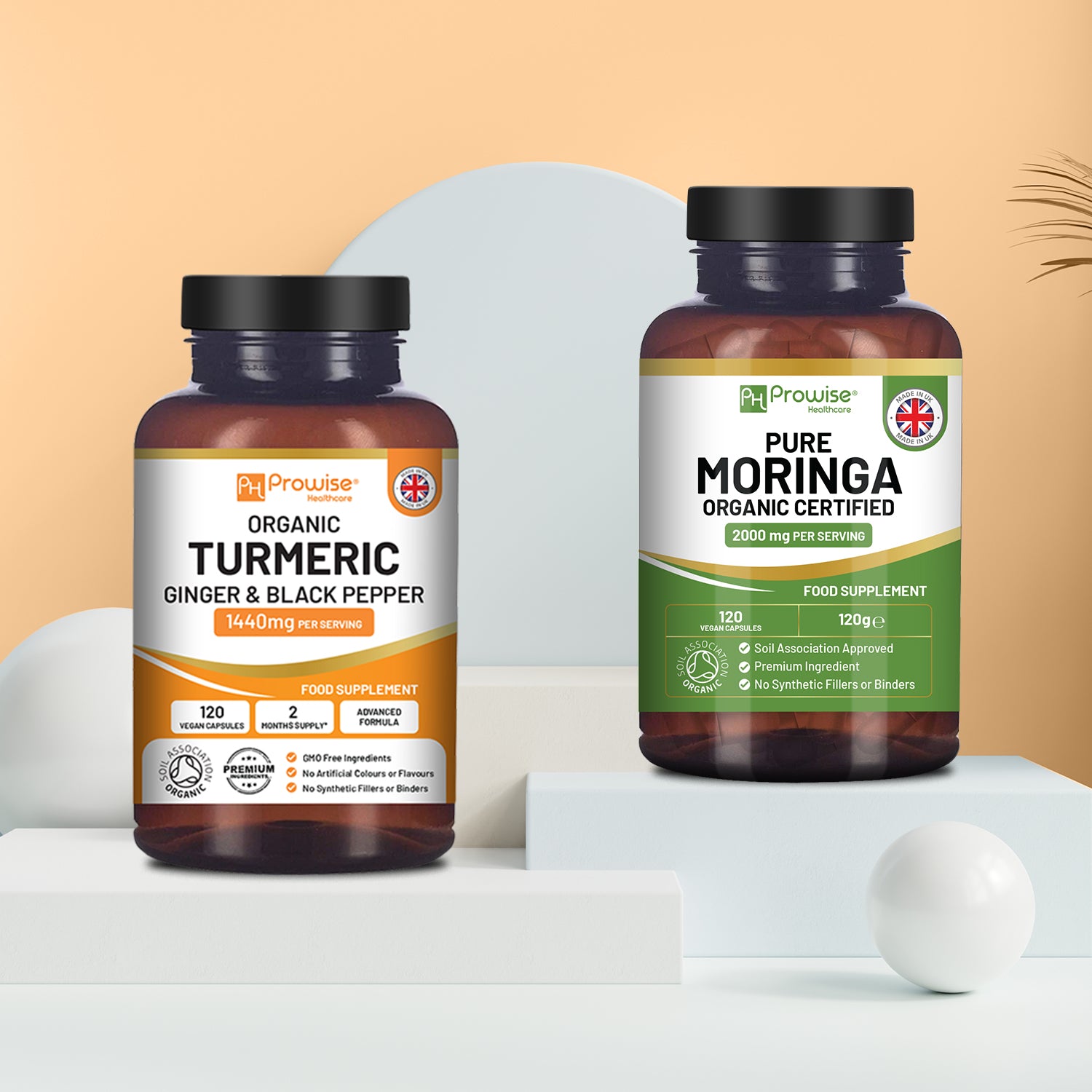
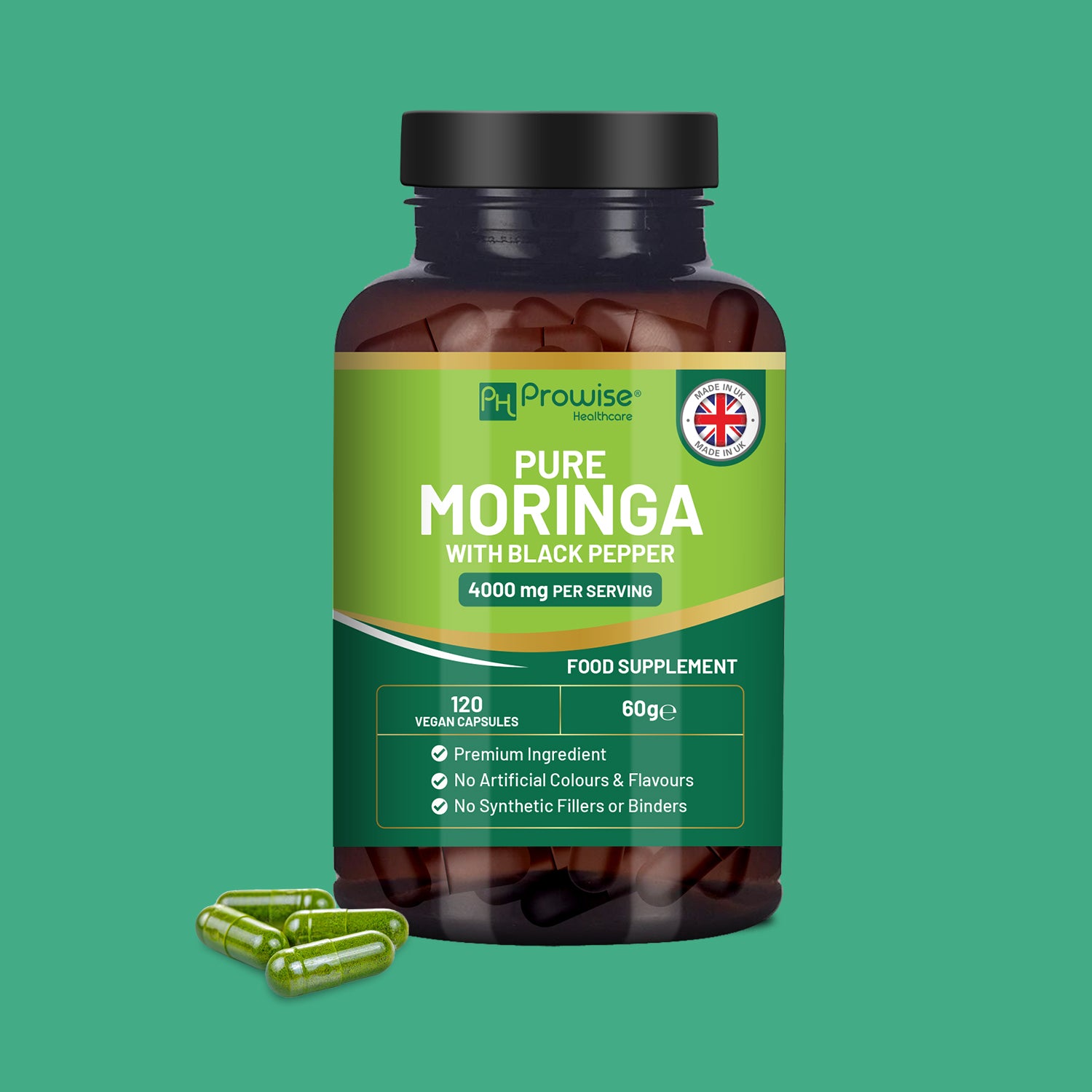
We offer premium moringa supplements, including organic moringa capsules, powerful turmeric + moringa combinations, and high-strength pure moringa capsules to support your daily wellness routine.
Digestive Support
Moringa has a long history of traditional use for constipation and stomach discomfort, and turmeric has documented effects on digestive function, including support for bile production. Taken together, users commonly report improved digestion and reduced bloating, though this outcome is harder to isolate in controlled trials than inflammation or blood sugar markers.
Blood Sugar and Cholesterol Support
This is where moringa's evidence is strongest on its own. One study found that adding 50 grams of moringa leaves to a meal reduced post-meal blood sugar spikes by 21 percent in people with diabetes, and clinical trials using 8 grams per day of leaf capsules showed measurable glycemic control. Separately, an eight-week trial found moringa supplementation lowered LDL cholesterol by 11 percent and total cholesterol by 9 percent in people with elevated levels. Turmeric adds a complementary anti-inflammatory effect that may support cardiovascular health alongside these changes.
Joint Pain and Arthritis Relief
Moringa has traditionally been used to reduce swelling, pain, and redness associated with rheumatoid arthritis, while curcumin has repeatedly shown pain-reducing effects in clinical trials, particularly for osteoarthritis. A review of six studies involving more than 500 people found curcumin among the more effective natural options for easing rheumatoid arthritis symptoms. The combination is popular specifically because both plants target joint inflammation through different compounds.
Immune Function
Vitamin C, antioxidants, and anti-inflammatory plant compounds in both moringa and turmeric are commonly associated with immune support. While large-scale trials specifically testing the combined effect are limited, each ingredient independently contributes nutrients the immune system relies on.
Moringa, Turmeric, and Black Pepper Benefits
Black pepper is added to turmeric formulations for a specific, well-documented reason: curcumin is poorly absorbed by the body on its own. Piperine, the compound responsible for black pepper's heat, changes that equation substantially. In a human study, co-administering piperine with curcumin increased curcumin's bioavailability by 2,000 percent within 45 minutes, an effect researchers attribute to piperine slowing the liver's breakdown of curcumin and helping it pass through the intestinal wall more efficiently.
The combined moringa, turmeric and black pepper benefits come down to absorption plus range: piperine ensures curcumin is not wasted, while moringa adds nutrients that do not depend on that same absorption pathway at all. These moringa, turmeric, and black pepper benefits build on each other in three ways. Piperine maximizes how much curcumin actually reaches the bloodstream, moringa contributes a separate set of anti-inflammatory and antioxidant compounds that do not rely on absorption enhancement, and black pepper independently supports digestion and nutrient uptake more broadly. Most commercial formulations use a ratio near 100:1 turmeric to black pepper, roughly 20 mg of piperine for every 2 grams of curcumin, which mirrors the ratio used in published research.
Moringa and Turmeric Tea: Benefits and How to Make It
Moringa and turmeric tea is one of the most common ways people combine these two plants outside of capsules, and turmeric moringa tea benefits mirror the supplement form, minus the concentrated dosing. The phrasing varies by search: moringa turmeric tea benefits, moringa and turmeric tea benefits, turmeric and moringa tea benefits, and benefits of moringa and turmeric tea all describe the same daily habit. Moringa turmeric tea, brewed simply as turmeric and moringa tea, works as a lighter, more frequent way to get both plants' compounds throughout the day. A typical cup delivers smaller amounts of curcumin and moringa's nutrient profile than a capsule, but daily tea drinking adds up over time and is easier for some people to sustain as a habit.
To make moringa and turmeric tea, steep one teaspoon of dried moringa leaf and half a teaspoon of ground turmeric in hot water for five to seven minutes, then strain. Adding a pinch of black pepper improves curcumin absorption the same way it does in capsule form. Many recipes also include cinnamon, and turmeric cinnamon moringa tea benefits combine cinnamon's own blood sugar research with the anti-inflammatory profile of the other two ingredients, creating a warming drink that is popular in the autumn and winter months. Honey and lemon are common additions purely for flavor, since neither ingredient changes the tea's core benefits.
Turmeric and Moringa for Menopause
Menopause typically occurs between ages 45 and 55 and is marked by declining estrogen levels, which can trigger hot flashes, mood changes, and sleep disruption. Turmeric and moringa for menopause has become a popular search topic, and there is genuine research behind part of the claim, though it is more specific than general marketing suggests.
A triple-blind randomized controlled trial of 93 postmenopausal women found that curcumin combined with vitamin E significantly reduced the frequency and severity of hot flashes, with a follow-up study confirming the effect. A 2024 systematic review also found curcumin beneficial for vascular function during menopause, including artery flexibility and blood flow. Not every study agrees. A separate 2024 trial of 68 women found no significant difference in pain or quality of life between curcumin and placebo, which means results are not guaranteed for every symptom or every person.
Moringa's contribution during menopause is more nutritional than hormonal. Its calcium and mineral content support bone density at a time when bone loss accelerates, and its iron content may help counter the fatigue some women experience during this transition. Women considering this combination specifically for menopause symptoms should treat it as a complementary option alongside medical guidance rather than a replacement for hormone therapy or other prescribed treatment.
Can You Take Moringa and Turmeric Together?
Yes, moringa and turmeric together are considered safe for most healthy adults, and this holds true whether the question is phrased as can you take moringa and turmeric together, can you take turmeric and moringa together, can moringa and turmeric be taken together, or can I take moringa and turmeric at the same time. People asking about turmeric and moringa together are usually looking for the same reassurance, that using both daily will not cause harm at normal doses. The two plants have overlapping but non-identical mechanisms, which is exactly why combining them is popular rather than redundant.
Safe does not mean unlimited, however. Following the dosage printed on a specific product, rather than combining separate high-dose supplements without guidance, is the standard recommendation. Clinical trials on turmeric alone have used doses ranging from 1 to 10 grams a day without toxicity, with most therapeutic benefit observed between 1 and 1.5 grams daily. Moringa dosing in research has ranged from roughly 2.4 to 8 grams a day depending on the outcome studied.
Turmeric and Moringa Side Effects
Turmeric and moringa side effects are generally mild and infrequent, but they are worth knowing before starting either supplement.
● Digestive discomfort: nausea, diarrhea, or stomach upset can occur with either plant, particularly at higher doses, and usually resolve by reducing the amount taken.
● Blood-thinning effects: turmeric has mild natural blood-thinning properties, so anyone on anticoagulant medication or with a bleeding disorder should talk to a doctor before combining it with moringa.
● Allergic reactions: these are uncommon, but people with sensitivities to plants in the mustard or cabbage family should be cautious with moringa, since it belongs to a related family.
● Medication interactions: both plants can interact with diabetes medication and blood pressure medication because of their effects on glucose and circulation, making a conversation with a healthcare provider important for anyone on prescription drugs.
● Pregnancy and breastfeeding: safety data during pregnancy and breastfeeding is limited for both plants, so medical guidance is recommended before use in these situations.
Most side effects reported in clinical literature occur at doses above what is found in standard daily supplements, which is one reason following label guidance rather than stacking multiple high-strength products matters.
How to Choose a Quality Moringa and Turmeric Supplement
A few label details separate a well-made supplement from a weak one. Look for products that state the specific curcumin percentage rather than just listing turmeric root powder, since curcumin content varies widely between raw turmeric sources. Check whether black pepper extract or piperine is included, since this single ingredient meaningfully changes how much curcumin the body can use. Organic certification and third-party testing add confidence around purity, particularly for turmeric, which has occasionally been found contaminated with lead in poorly regulated supply chains. Finally, a transparent dosage per serving, rather than a proprietary blend weight, makes it possible to compare products accurately.
We offer premium moringa supplements, including organic moringa capsules, powerful turmeric + moringa combinations, and high-strength pure moringa capsules to support your daily wellness routine.
Frequently Asked Questions
Can I take moringa and turmeric at the same time?
Yes. Moringa and turmeric are commonly taken together, either in the same capsule blend or as separate supplements, and current research has not identified a safety concern with combining them at typical doses.
Can moringa and turmeric be taken together long term?
Both plants have long histories of traditional daily use, and clinical trials lasting eight to twelve weeks have not reported serious safety issues. Anyone planning extended use, especially alongside medication, should check in with a healthcare provider periodically.
What are moringa and turmeric good for?
The combination is most associated with reduced inflammation, antioxidant protection, joint pain relief, digestive support, and, for moringa specifically, blood sugar and cholesterol management.
Does black pepper actually make a difference in moringa turmeric and black pepper benefits?
Yes. Piperine, the active compound in black pepper, has been shown to increase curcumin absorption dramatically in human studies. Without it, most curcumin passes through the digestive system largely unused.
Is malunggay and turmeric benefits the same thing as moringa and turmeric?
Malunggay is the Filipino name for Moringa oleifera, the same plant referred to as moringa throughout this article and in most English-language research, so yes, the two terms describe an identical combination.
How should I make moringa and turmeric tea?
Steep one teaspoon of dried moringa leaf and half a teaspoon of ground turmeric in hot water for five to seven minutes, then add a pinch of black pepper to support curcumin absorption. Cinnamon, honey, and lemon are common additions for flavor.
Is turmeric and moringa for menopause backed by evidence?
Partially. Clinical trials show curcumin combined with vitamin E can reduce hot flash frequency and severity in postmenopausal women, though not every study finds a benefit for broader menopause symptoms. Moringa's role is more nutritional, supporting bone and iron levels during this life stage.
What are the main turmeric and moringa side effects to watch for?
Mild digestive upset is the most commonly reported issue. People on blood thinners, diabetes medication, or blood pressure medication should consult a healthcare provider first, since both plants can interact with these drug classes.
Moringa and turmeric benefits are supported by a real, if still developing, body of research, and the case for combining them is stronger than taking either alone for people focused on inflammation, joint health, and general antioxidant support. Moringa's dense nutrient profile and turmeric's curcumin content work through different biological pathways, which is why the pairing is additive rather than redundant. Adding black pepper meaningfully increases the benefit by improving curcumin absorption, and side effects at normal doses are mild for most healthy adults. Anyone managing a chronic condition, taking prescription medication, or pregnant or breastfeeding should confirm the combination with a healthcare provider before starting.
Prowise Healthcare's Turmeric and Moringa combination and Organic Moringa capsules are Soil Association-approved and formulated for vegans and vegetarians, offering a straightforward way to add both plants to a daily routine.